
Owning Property in Thailand – What Foreigners Need to Know
Augusti 31, 2026Many people who have fallen in love with Thailand have been misled by real estate agents while looking for their permanent dream home. Sooner or later, reality can suddenly catch up with them, and what once seemed like a safe and long-term investment may turn out to be in breach of Thai law. In the worst cases, this can lead to very serious financial and legal consequences. Here I briefly explain the Thai laws and regulations that apply to foreign ownership in Thailand.
Can Foreigners Own Land?
As a general rule, no. A foreigner cannot buy land in Thailand and register it in their own name in the same way as a Thai citizen can. If a real estate agent or anyone else claims that a foreigner can buy land and register it in their own name, that is simply incorrect.
There is a very limited exception under Thai law. Under certain conditions, a foreigner may be allowed to purchase up to 1 rai (1,600 square metres) of land for residential purposes. This requires, among other things, an investment of at least 40 million baht in Thailand and permission from the Minister of the Interior. The land must also be located in an area covered by these specific rules.
So for the vast majority of foreigners, the answer is no. In practice, foreigners cannot own land in Thailand.
Source: Department of Lands and Thailand Land Code, Section 96 bis.
Do Not Set Up a Company to Get Around the Land Ownership Rules
One solution sometimes offered to foreigners is to set up a Thai company and have the company purchase the land. However, this is not a legal way to get around the restrictions on foreign land ownership. If Thai nationals are listed as the owners on paper but in reality are acting only as nominees for a foreigner, this is against Thai law.
Thai authorities have paid particular attention to the issue of so-called nominee companies and land that is effectively controlled by foreigners. The consequences can be very serious. The company may be forced to sell the land, while those involved may face legal penalties. Such cases have occurred and continue to occur throughout Thailand. The authorities are not turning a blind eye to this.
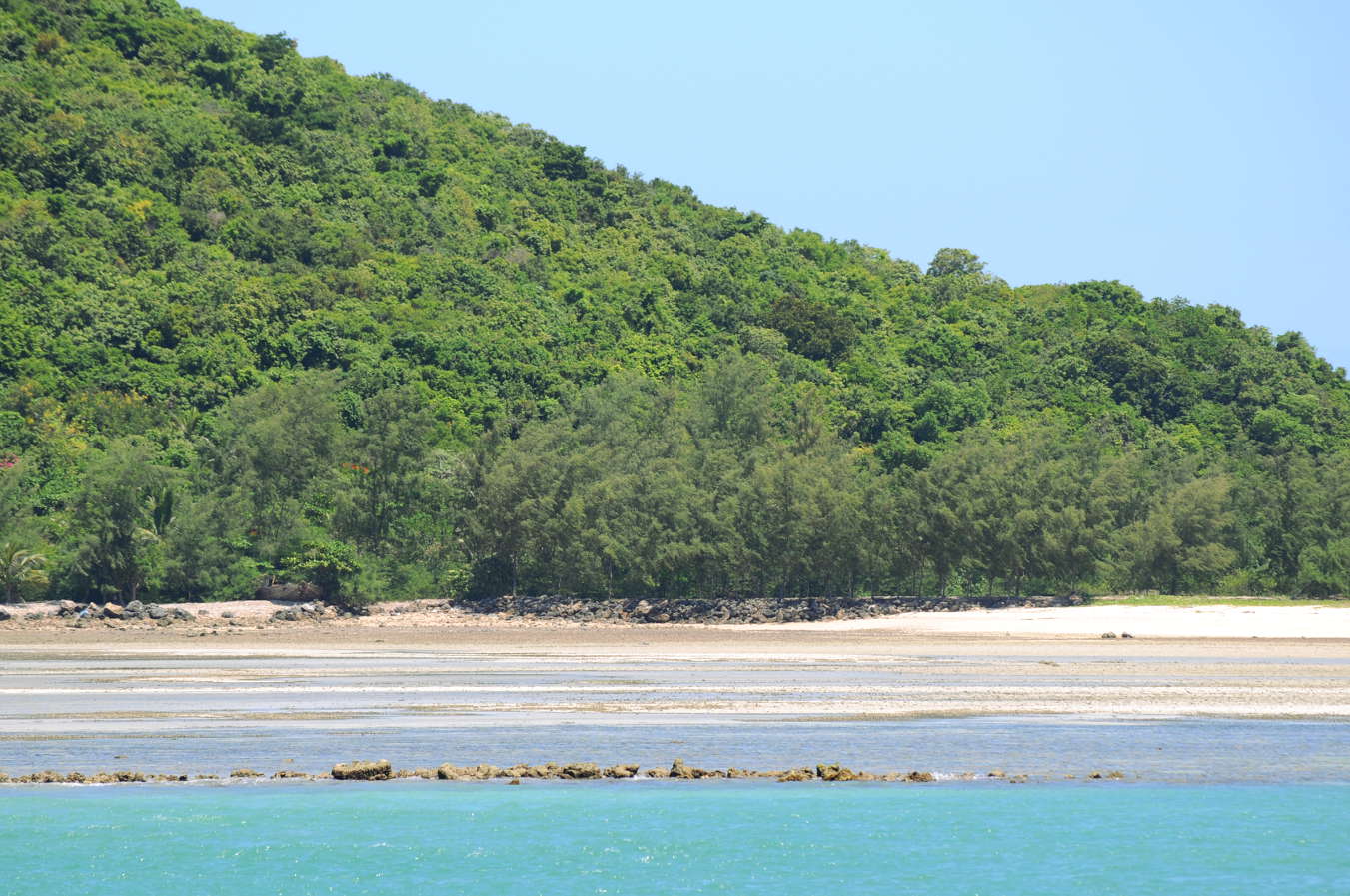
Image: Many people would probably love to have a small house right next to a deserted beach like this. Photographer: Jens.
Owning a House and Leasing the Land
A foreigner can own a house or another building in Thailand even if they do not own the land on which it stands. Ownership of the building and ownership of the land are two legally separate things.
A common arrangement is therefore to own the house while leasing the land on which it stands. Under Thai law, a land lease can be for a maximum of 30 years. It is important to make sure that the person or company granting the lease actually owns the land or otherwise has the legal right to enter into the agreement.
In practice, such a lease means paying for the right to use the land for a limited period. It can be compared to a long-term, prepaid rental agreement. When the lease expires, the right to use the land comes to an end.
For many people, it may be more advantageous to rent a home on a monthly or yearly basis. This does not tie you down in the same way and makes it easier to move to another home or another part of the country.
Owning a Condominium
A foreigner can own a condominium unit, often simply called a condo, in a registered condominium project. Unlike a rented apartment, you own the unit itself and can register the ownership in your own name.
There are, however, specific rules concerning foreign ownership. For example, foreigners can collectively own no more than 49 percent of the total floor area in a condominium project.
Buying a condominium unit can be an excellent option for anyone who wants to own their own home in Thailand. However, it is important to carefully check the terms and have an independent lawyer review the agreement to make sure that everything complies with Thai law.
Thai Spouse
A Thai citizen can own land in Thailand even if they are married to a foreigner. However, the land must be the Thai spouse's own property. The money used to purchase the land must therefore not belong to the foreign spouse or be jointly owned.
When the purchase is made, the Thai spouse and the foreign spouse must jointly confirm to the Land Office that the money used to purchase the land belongs to the Thai spouse. The land is then registered in the Thai spouse's name.
The foreign spouse can of course live in and use the home, but has no ownership rights to the land on which the house stands.
✪ Read more: All my articles and posts
✪ Enjoy my articles? Feel free to buy me a coffee – much appreciated!